




FAQs
Roofing FAQs in Texas Hill Country
Texas Highlands Custom Homes & Remodel provides roofing services across Texas Hill Country and surrounding areas, including Bexar County, Kendall County, Kerr County, Bandera County, and Gillespie County, Texas. These FAQs cover common questions about roof leaks, repair vs. replacement decisions, inspections, timeline expectations, and how to plan roofing work without surprises.
Roofing Questions Homeowners Ask Most
What roofing services do you handle?
Common roofing work includes leak inspections, targeted repairs, flashing and penetration repairs, replacing damaged sections when appropriate, and roof replacement planning when the roof condition warrants it. Scope depends on roof type, access, and what’s failing.
What are the most common causes of roof leaks?
Roof leaks often start at flashing, valleys, vents, pipe boots, chimneys, skylights, or damaged shingles/materials. Leaks don’t always show up directly beneath the entry point, which is why a proper inspection matters instead of guessing from the ceiling stain.
How do I know if I need a roof repair or a full replacement?
A repair makes sense when the issue is localized and the roof still has meaningful remaining life. Replacement makes more sense when the roof has widespread wear, repeated leaks, failing details across multiple areas, or age-related deterioration that makes repairs temporary. The best way to decide is an inspection that evaluates overall condition, not just the visible leak.
How long does roofing work usually take?
Timeline depends on scope, roof size, roof complexity, and weather. Small repairs can sometimes be completed quickly once the issue is identified. Larger scopes or replacement planning can take longer due to material scheduling and job sequencing. Weather is often the biggest variable for scheduling.
Do I need permits for roofing work?
Some roofing projects may require permits and inspections depending on jurisdiction and scope, especially for replacements or larger structural-related repairs. Permit needs vary by area, so it’s best confirmed once the scope is defined.
What should I do if I have an active roof leak?
If you have an active leak, protect the interior first and document where the water is showing up. If safe to do so, move valuables away from the area and use a container to catch water. Avoid assuming the ceiling stain is the roof entry point. An inspection is the best way to locate the source and define the correct fix.
Can you work with storm-related roof damage?
Storm damage often involves missing or lifted materials, damaged flashing, and compromised penetrations. The first step is confirming what’s damaged and whether the issue is isolated or part of broader roof wear. An inspection helps determine the right scope and whether repairs will hold up.
What affects the cost of roofing repairs the most?
Cost is driven by roof type, access, slope/pitch, the location of the issue, and how much material and labor is required to fix the problem correctly. Repairs involving flashing, penetrations, or harder-to-access areas often take more time than straightforward surface repairs.
Will a roof repair match my existing roof?
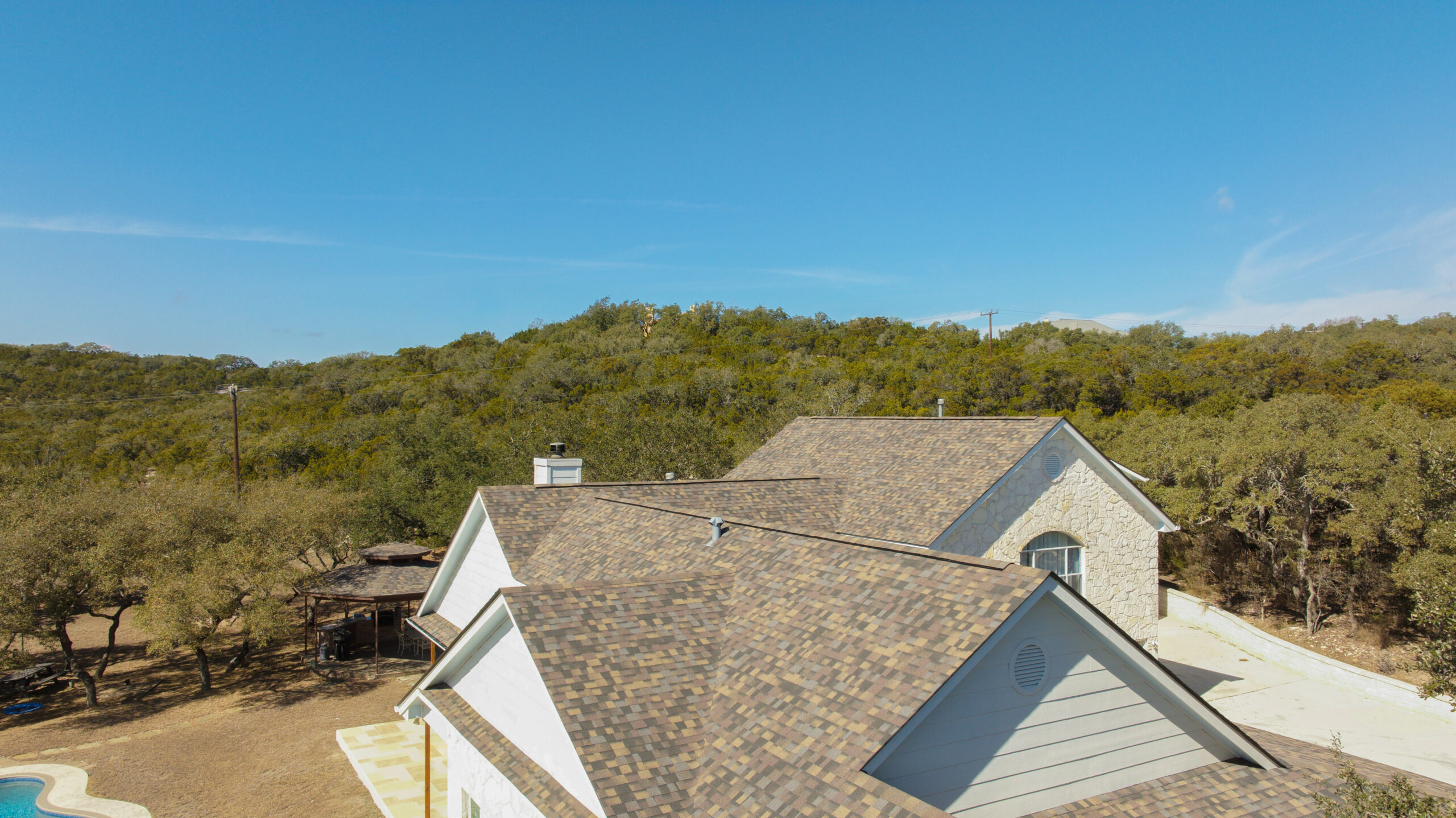
Matching depends on the existing material, color variation, weathering, and product availability. Even with the same material type, older roofs may not match perfectly due to sun exposure and age. During evaluation, it’s best to discuss matching expectations up front.
What should I expect during a roof inspection?
A roof inspection typically includes reviewing the problem areas, checking common failure points (flashing, penetrations, valleys), and looking for signs of broader wear. The goal is to confirm the source of the issue and define a scope that solves the problem instead of repeating the same repair.
What to Expect From Texas Highlands on Roofing Work
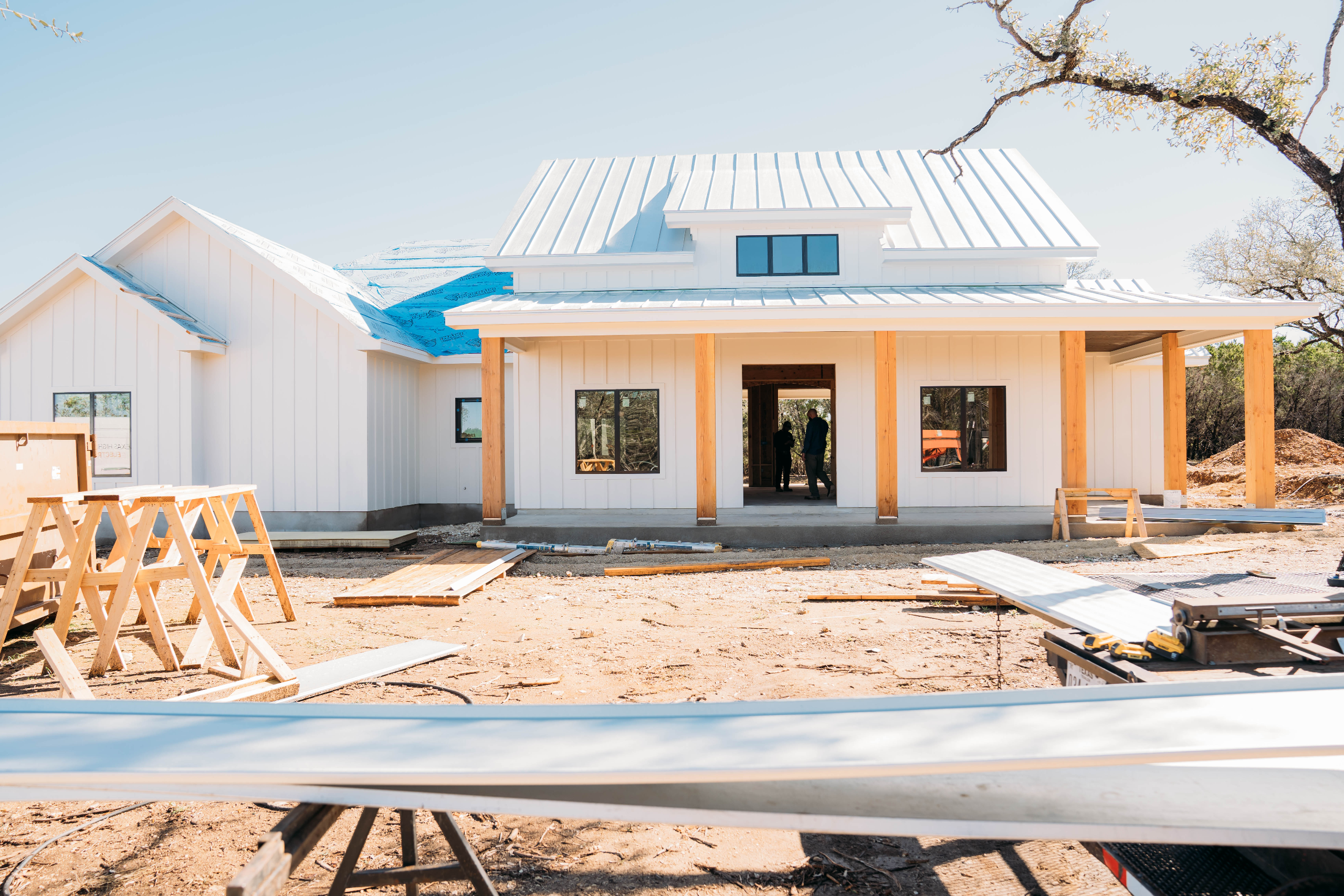
Roofing work is most reliable when the source of the problem is identified clearly and repairs address the failing details, not just the symptoms inside the home. Texas Highlands Custom Homes & Remodel focuses on straightforward inspections, practical repair recommendations, and clean workmanship based on the roof’s actual condition.
Related Topics
Home Repairs FAQs
Painting FAQs
Plumbing FAQs
Back to FAQs
For general questions about estimates, timelines, permits, and service areas, visit the FAQ hub.
What to Do Next
For roofing repairs or inspections in Bexar County, Kendall County, Kerr County, Bandera County, or Gillespie County, call Texas Highlands Custom Homes & Remodel at (830) 443-0757 to discuss the issue and schedule an on-site evaluation.
