

FAQs
Guest Homes & Casitas FAQs in Texas Hill Country
Texas Highlands Custom Homes & Remodel builds guest homes and casitas across Texas Hill Country and surrounding areas, including Bexar County, Kendall County, Kerr County, Bandera County, and Gillespie County, Texas. These FAQs cover the practical planning questions people ask most about scope, utilities, permitting, timelines, and cost drivers for secondary living spaces.
Guest Home & Casita Questions Homeowners Ask Most
What’s the difference between a guest home, casita, and in-law suite?
Most people use these terms to describe a secondary living space on the property, but the main difference is usually size and how complete the space is. A casita is often smaller and designed for short-term guests. A guest home may be larger and function more like a small house. An in-law suite may be attached to the main home or built with long-term living in mind, often with more storage and accessibility considerations.
How much does it cost to build a guest home or casita in Texas Hill Country?
Cost depends on size, finish level, site conditions, and how the space will be used. The biggest cost drivers are foundation, framing, roofing, windows and doors, insulation, electrical, plumbing (especially for a full bath and kitchenette), HVAC, and finish materials. Utility tie-ins and site access can also significantly affect pricing, so an accurate quote usually requires an on-site evaluation.
How long does it take to build a guest home or casita?
Timeline depends on scope, permitting and inspection timing, site conditions, and material lead times. A simple guest space with fewer utilities typically moves faster than a full casita with a bathroom, kitchenette, laundry, and higher-end finishes. A realistic schedule is easiest to set once the layout and utility needs are defined.
Do guest homes and casitas require permits?
In most cases, yes. A secondary structure commonly requires permits and inspections, and requirements vary depending on jurisdiction and the scope of work. Plumbing, electrical, and HVAC work often add inspection steps. Permit timing should be treated as part of the schedule.
Can a casita include a bathroom and kitchenette?
Often, yes. Whether a bathroom and kitchenette make sense depends on how the space will be used and how utilities will be connected. Adding a kitchenette and a full bath increases scope and trade coordination, but it also makes the space more functional and flexible long-term.
What utilities need to be planned for a guest home or casita?
At minimum, most projects require electrical planning. If the space includes a bathroom, kitchenette, or laundry, plumbing becomes a major part of scope. HVAC planning also matters for comfort and performance. Utility routing, tie-in points, and trenching needs (if required) can affect both cost and timeline, especially on larger properties.
Where should a guest home or casita be placed on the property?
Placement depends on access, privacy, setbacks, grading and drainage, and the path for utility connections. The goal is to choose a location that works for daily use and construction access while keeping tie-ins efficient. Site evaluation helps confirm feasibility before plans are finalized.
What causes delays on guest home and casita projects?
Common delays include permitting timelines, late decisions on layout and finishes, long lead times on windows, cabinetry, and fixtures, and changes after construction begins. Another cause is underestimating the scope of utility tie-ins and site prep. Defining utility needs early reduces avoidable delays.
Should the guest space match the main house?
Matching can be done, but it’s a planning choice. Rooflines, exterior finishes, window styles, and trim details affect whether the structure looks like it belongs on the property. If the goal is a consistent look, those decisions should be made early, not treated as last-minute cosmetic changes.
Can a guest home or casita be built at the same time as a custom home?
Often, yes. Building both as part of one project can help with site planning, utility routing, and sequencing. It also helps align design details so both structures feel consistent. Scope and timing depend on how complete the secondary space will be.
What should I expect during the first on-site evaluation?
The first visit typically reviews how you want to use the space, potential placement on the property, access for construction, and the utility needs for the layout you’re considering. It’s also where the biggest scope drivers are identified early so the estimate reflects real conditions.
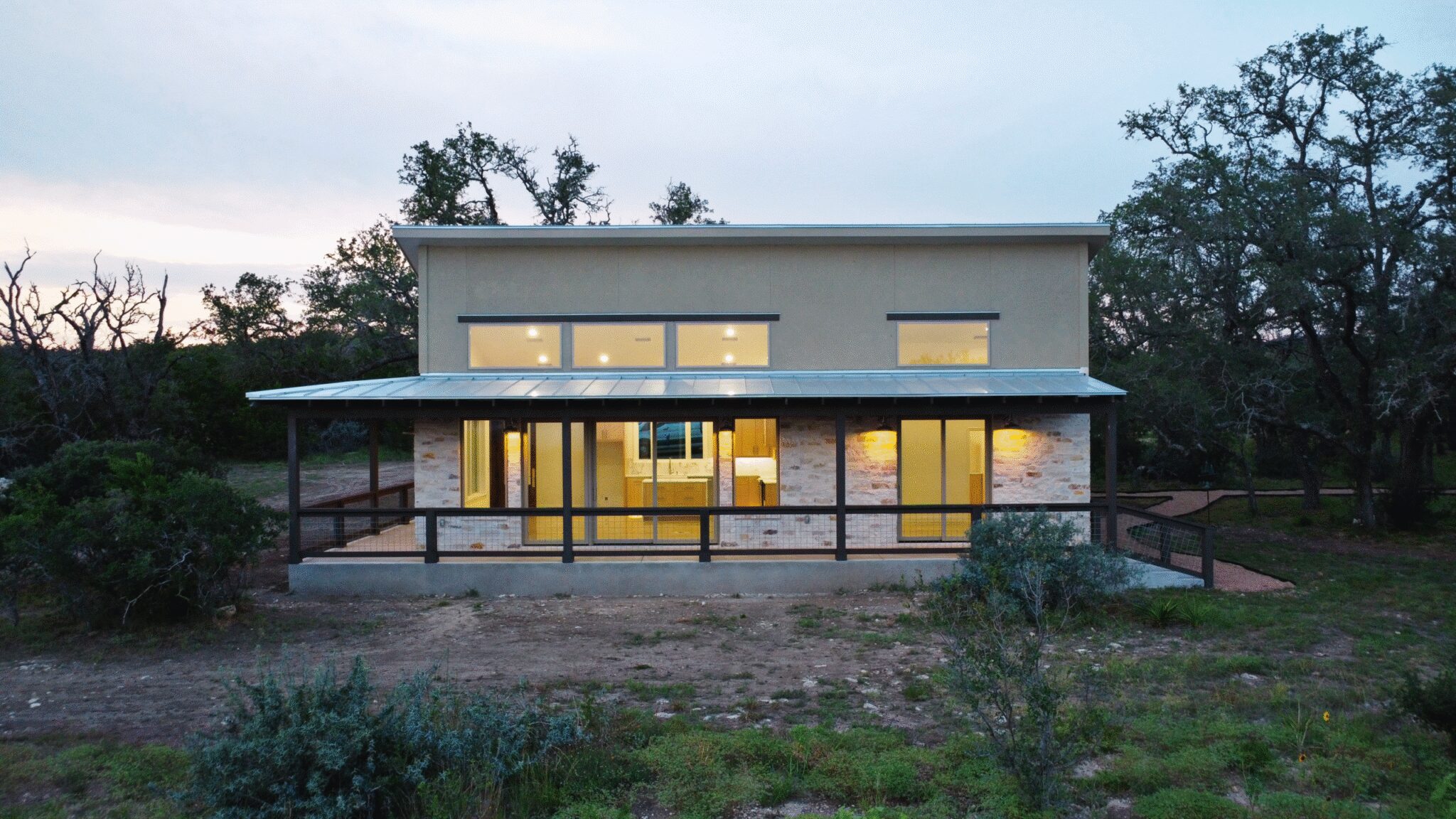
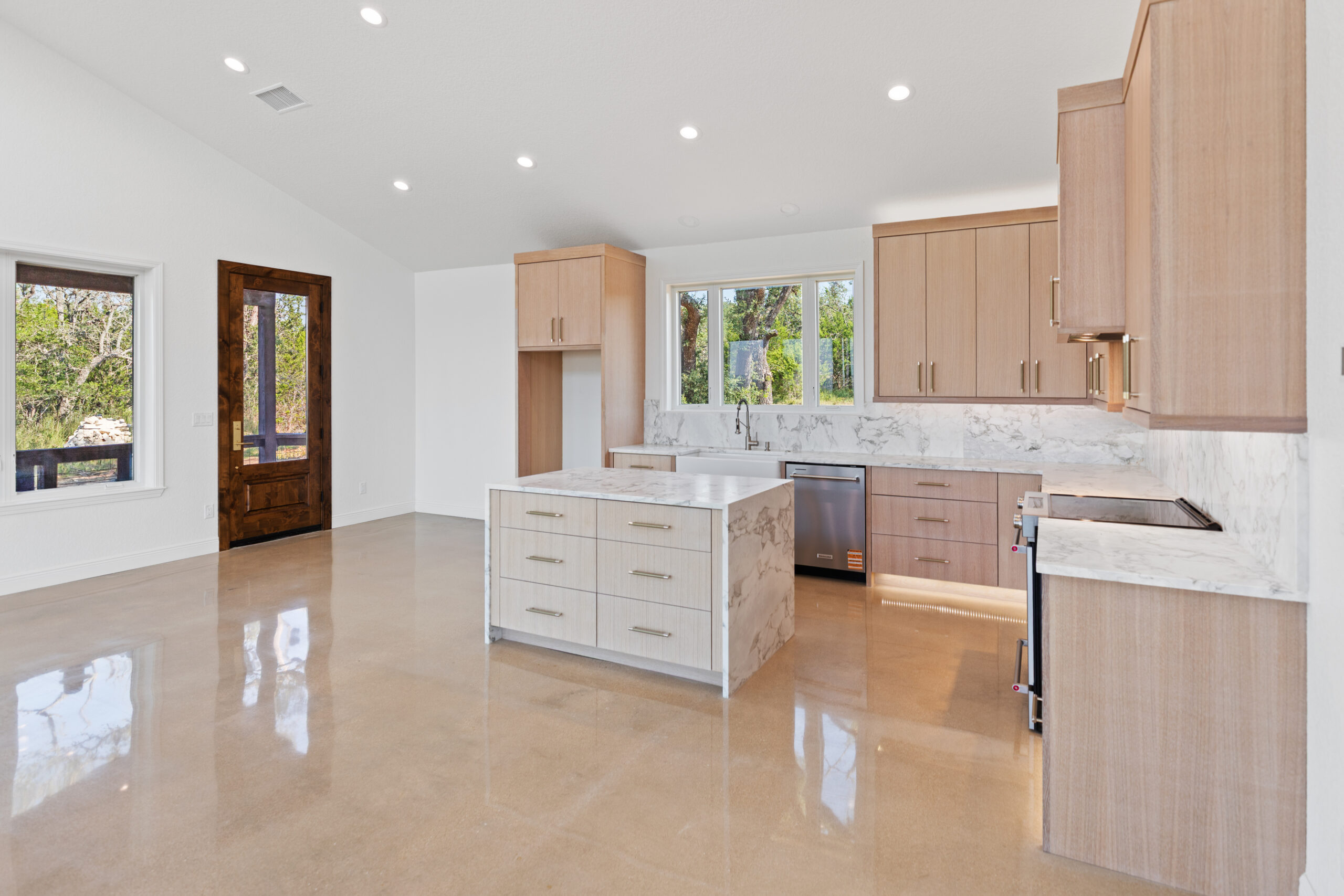
What to Expect From Texas Highlands on a Guest Home or Casita Build
A guest home or casita runs best when the use case is clear and utilities are planned early. Texas Highlands Custom Homes & Remodel focuses on practical site planning, realistic scheduling around permitting and lead times, and straightforward communication as the scope is finalized.
Related Topics
Kitchen Remodeling FAQs
Bathroom Remodeling FAQs
Custom Homes FAQs
Back to FAQs
For general questions about estimates, timelines, permits, and service areas, visit the FAQ hub.
What to Do Next
If you’re planning a guest home or casita in Bexar County, Kendall County, Kerr County, Bandera County, or Gillespie County, call Texas Highlands Custom Homes & Remodel at (830) 443-0757 to discuss your goals and schedule an on-site evaluation.